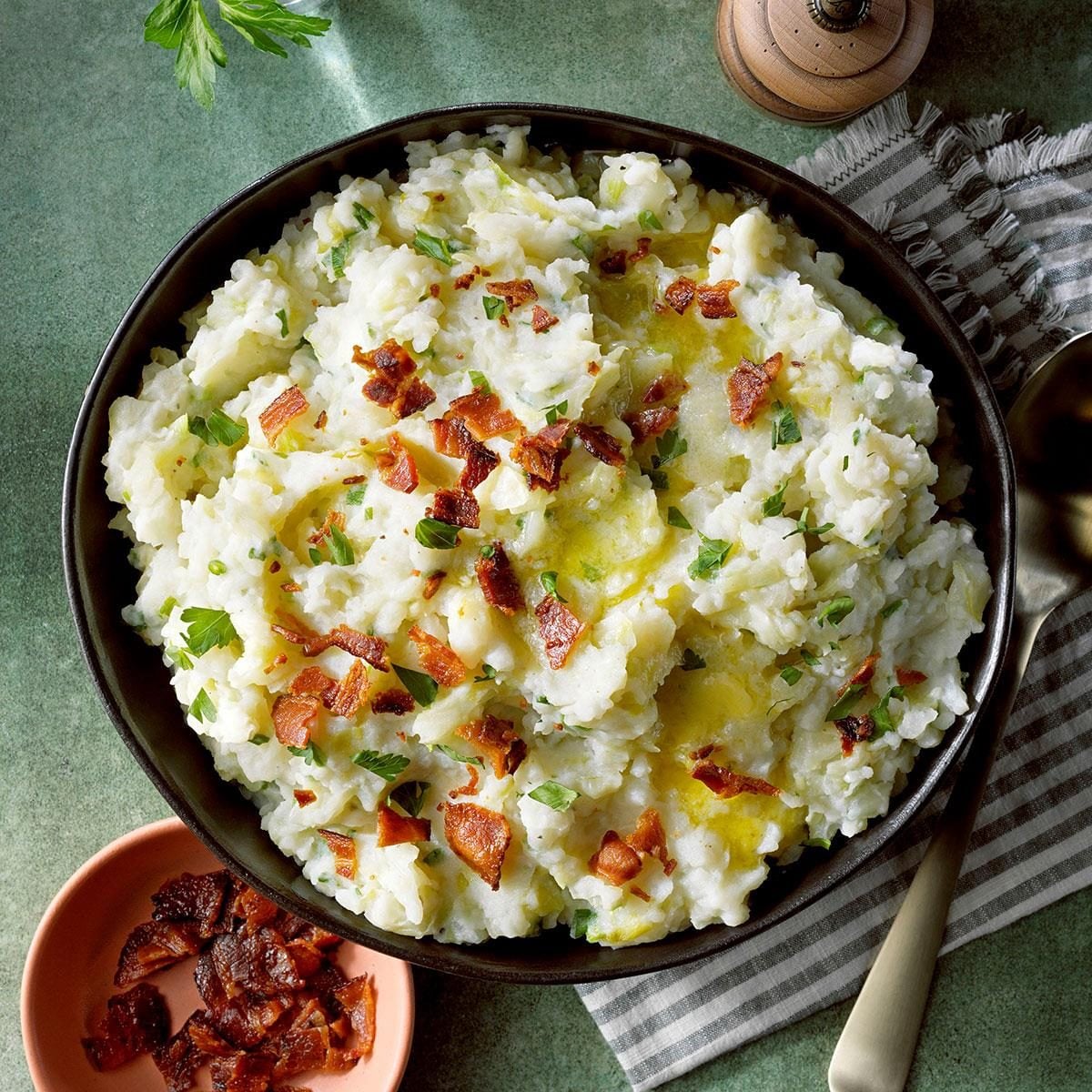
Perfect Colcannon: Crafting the Ultimate Irish Comfort Food
Colcannon, a beloved classic of Irish cuisine, is far more than just mashed potatoes. It’s a symphony of creamy, buttery spuds intertwined with tender, sautéed greens, creating a dish that embodies comfort, tradition, and resourceful flavour. Whether gracing your table on St. Patrick’s Day or serving as a hearty side on a chilly evening, a truly exceptional
colcannon recipe is an experience unto itself – a testament to simple ingredients transformed into something extraordinary.
At its heart, colcannon is a celebration of what's readily available. My grandmother, whose family often had to make do, taught me that its adaptability is one of its greatest strengths. While cabbage and kale are popular choices today, historical versions might have incorporated anything from broccoli leaves and sorrel to watercress or even seaweed when times were particularly tough. This makes every colcannon not just a meal, but a delicious nod to a rich culinary heritage where frugality met flavour. The name itself, "colcannon," is thought to be derived from the Irish "cál ceannann," meaning "white-headed cabbage," hinting at the brassica family's ancient connection to this dish, with roots traceable to the Latin "caulis."
The Foundation: Why Starchy Potatoes Are Non-Negotiable
The secret to an ethereal colcannon lies primarily in your choice and preparation of potatoes. Forget waxy varieties; for that quintessential fluffy, light-as-air mash, you absolutely need
starchy potatoes. These varieties boast a higher starch content and less water, which translates into a drier, fluffier texture when mashed, perfectly primed to absorb rich butter and creamy milk.
Among the best contenders are readily available options like Russet or Yukon Gold potatoes. For those with access to a wider selection, traditional Irish and European favourites such as Maris Piper, King Edward, Rosamunda, Desiree, Melody, or Blue Congo will yield outstanding results.
Once you’ve selected your spuds, preparation is key:
- Chop into large, uniform chunks: This ensures even cooking and prevents them from becoming waterlogged.
- Boil until fork-tender: Don't undercook, but don't overcook to the point of disintegration either.
- Steam-dry thoroughly: This step is critical. Once drained, return the hot potatoes to the pot over very low heat for a few minutes, allowing residual moisture to evaporate. This ensures a drier base that will greedily soak up all the delicious additions without becoming gummy.
- Butter first, then milk: Before introducing any liquid, mash your potatoes with a generous amount of butter. The hot, dry starch granules will absorb the fat beautifully, creating an incredibly rich foundation. Only then should you gradually incorporate warmed milk or cream, achieving that perfect, velvety consistency.
Embracing the Greens: Beyond Just Cabbage
While green cabbage is often the star, lending a delightful sweetness when cooked, the spirit of colcannon encourages exploration. Kale, with its slightly bitter edge and robust texture, is another fantastic option, as are leeks, which contribute a milder, oniony flavour. You could even combine different greens for added complexity.
To prepare your greens:
- Sauté in butter: Gently fry your chosen greens, along with finely diced white onion or leeks, in a generous knob of butter until tender. The goal is to soften them and coax out their natural sweetness without browning or crisping them too much.
- Aromatic additions: The reference to mustard powder and a bay leaf in the cooking liquid for the greens is a brilliant touch. Simmering the sautéed greens in a splash of milk with a bay leaf and a pinch of mustard powder creates an incredibly savoury, creamy base that elevates the entire dish. This combination infuses the greens with an irresistible depth before they even meet the potatoes.
The resulting flavour profile should be wonderfully buttery, deeply savory, and subtly sweet from the perfectly cooked greens and onions. If using tougher greens like curly kale, a slightly longer sauté or a brief steam before frying can ensure they become beautifully tender.
Crafting Your Perfect Colcannon: A Step-by-Step Guide
Bringing together the perfectly mashed potatoes and flavourful greens is where the magic truly happens. For a deeper dive into the traditional methods and the frugal origins of this dish, you might enjoy our article on
Authentic Irish Colcannon: A Frugal & Flavorful Heritage Recipe.
Here’s a simplified approach to making your best
colcannon recipe:
- Prepare Potatoes: Peel and cut starchy potatoes into large, uniform chunks. Boil in salted water until very tender. Drain thoroughly and return to the hot pot over low heat for a few minutes to steam-dry.
- Mash Potatoes: Off the heat, add a generous amount of butter to the hot potatoes and mash until smooth. Gradually add warm milk or cream, continuing to mash until you reach a creamy, fluffy consistency. Season with salt and freshly ground black pepper to taste.
- Sauté Greens: While potatoes are boiling, melt butter in a large skillet. Add finely chopped white onion (or leeks) and cook until softened. Add your chosen greens (cabbage, kale, etc.) and sauté until tender. If desired, add a splash of milk, a pinch of mustard powder, and a bay leaf, simmering gently until the liquid is slightly reduced and absorbed by the greens. Remove the bay leaf.
- Combine: Gently fold the sautéed greens and onions into the mashed potatoes. Be careful not to overmix, as this can make the mash gluey.
- Taste and Adjust: Do a final taste test and adjust seasoning if necessary. You might want a little more salt, pepper, or even a touch more butter for extra richness.
This methodical approach ensures each component contributes its best, resulting in a perfectly balanced and incredibly flavourful colcannon.
Serving & Savoring Your Irish Masterpiece
The beauty of colcannon extends to its versatility on the plate. Traditionally, it's served with a well in the centre, filled with a melting pat of cold butter – a truly irresistible invitation to dive in. This simple garnish adds a final touch of richness that cuts through the starch and greens, creating an explosion of flavour with every spoonful.
Colcannon is an ideal partner for a variety of hearty main courses:
- Classic Irish Pairings: It’s the quintessential accompaniment to corned beef and cabbage, boiled ham, Irish bacon, or a rich Irish stew.
- Roasts & Chops: Serve it alongside a succulent leg of lamb or pan-seared lamb chops for an elevated meal.
- A Meal in Itself: Don't underestimate colcannon's power as a standalone dish. A generous bowl, perhaps with a sprinkle of fresh chives or scallions, makes for a satisfying and comforting vegetarian meal.
While it's synonymous with St. Patrick's Day festivities, this dish is pure comfort food that deserves a place at your table any day you crave something warm, satisfying, and authentically Irish. And for those familiar with Champ, another beloved Irish mashed potato dish, remember that colcannon distinguishes itself by incorporating substantial greens like cabbage or kale, whereas Champ typically focuses solely on spring onions.
Should you find yourself with leftovers, colcannon stores beautifully in an airtight container in the refrigerator for up to two days. To reheat, gently warm it in a skillet over low heat, adding a splash or two of milk or cream to restore its creamy texture if it seems a little dry.
Conclusion
Perfect colcannon is more than just a recipe; it's a culinary journey rooted in tradition, adaptability, and an undeniable embrace of humble ingredients. By understanding the importance of starchy potatoes, mastering their preparation, and thoughtfully integrating your chosen greens and aromatics, you can create a dish that is both deeply comforting and incredibly delicious. This classic Irish staple invites you to savour every buttery, savoury, and subtly sweet spoonful, connecting you to a rich history of frugal yet flavorful cooking. So, gather your ingredients, follow these tips, and prepare to enjoy the very best of Irish comfort food.